
Blog
Floral Inspirations – Expert Tips and Ideas
Welcome to our blog, where we share the latest floral trends, expert tips, DIY ideas, and inspiration for every occasion. Whether you're looking to brighten your home, plan an event, or learn more about flower care, our posts are filled with creative ideas and helpful advice to guide you every step of the way. Stay tuned for exciting updates and fresh floral ideas!

Elegance.
Serenity. Tranquility. Rejuvenation.
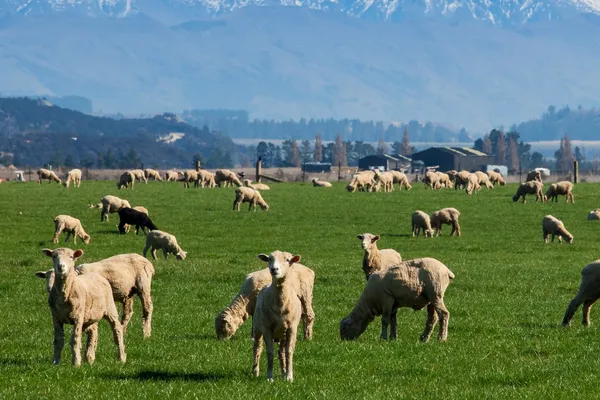
The "Survivalist" Shepherd
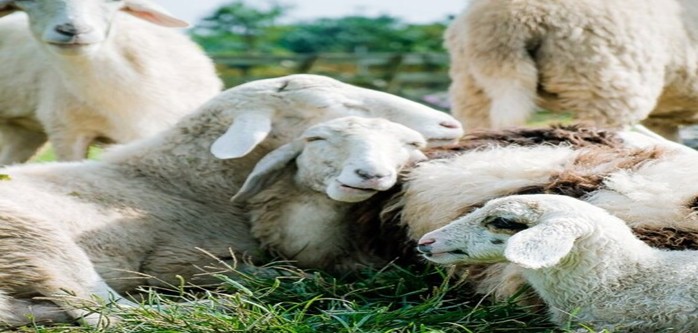
Choosing Climate-Resilient Genetics for Your Small Farm
If you’ve spent any time in a sheep pen lately, you’ve probably noticed that the weather isn’t quite what it used to be. Whether it’s a record-breaking heatwave in July, a spring that feels more like a monsoon, or a drought that turns your "lush" pasture into a cracker, the environment is putting our flocks to the test.
For those of us running small homesteads or hobby farms, we don't have the massive infrastructure of industrial operations. We need sheep that are "easy keepers"—animals that can handle the elements without us having to intervene every five minutes.
In 2026, the conversation has shifted. We aren't just looking for the biggest lamb or the fluffiest wool; we are looking for Total Flock Robustness.
Here is how to choose genetics that won't just survive the changing climate, but thrive in it.
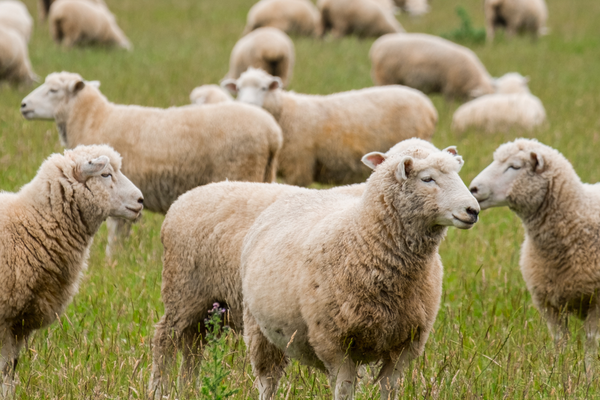
What Does "Climate-Resilient" Actually Mean?
It’s a buzzy phrase, but in the barn, it boils down to three specific things:
Parasite Resistance (The FEC Factor): As winters get milder, parasites aren't dying off like they used to. Resilient sheep have a natural ability to keep their "worm load" low without needing constant chemical drenching.
Thermal Tolerance: This is the ability to stay productive when it’s 35°C (95°F) out. It’s about metabolic efficiency—sheep that don't go into "shut down" mode when the sun comes out.
Forage Flexibility: When the grass stops growing, does your sheep give up, or does it start happily browsing on weeds, shrubs, and dry stalks?
The 2026 Breed Matchmaker: Which One Fits Your Acreage?
Depending on where your farm is located, your "ideal" sheep might look very different. Here are the top contenders for the modern homesteader:
1. The Humidity Hero: The St. Croix
If you live in a place where it’s "hot and sticky," the St. Croix is your best friend.
The Vibe: They are completely hair-coated (no shearing!) and look more like small deer than traditional "cotton ball" sheep.
The Resilience: They are arguably the most parasite-resistant breed on the planet. They also rarely deal with foot rot, which is a massive headache in wet climates.
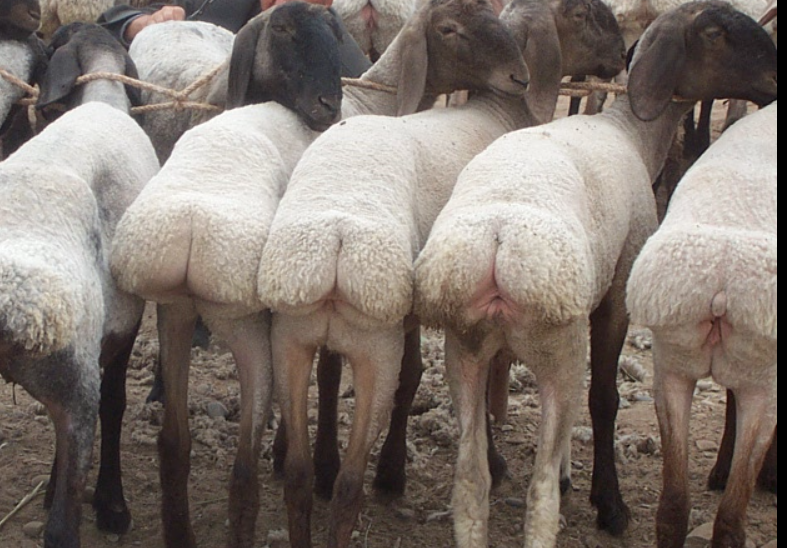
2. The Drought Specialist: The Damara
Originating from Africa, the Damara is the "camel of the sheep world."
The Vibe: They are "fat-tail" sheep, meaning they store energy in their tails (like a camel’s hump) to get through lean times.
The Resilience: They are non-selective grazers. While a pampered breed might starve waiting for clover, a Damara will happily munch on a thorny bush and keep on walking.
3. The "ROI" Workhorse: The Rideau Arcott
As we’ve seen in 2026, the Rideau Arcott has become a superstar for small farms that want a return on their investment.
The Vibe: High prolificacy. We’re talking triplets being the norm, not the exception.
The Resilience: Unlike some high-production breeds that are "fragile," the Rideau is surprisingly hardy across various Canadian and Northern US climates. If you have the forage to support them, they are the ultimate "efficiency" machine.
4. The All-Rounder: The Katahdin
For the average homesteader, the Katahdin is often the "Goldilocks" breed.
The Vibe: Low-maintenance hair sheep.
The Resilience: They have a great mix of parasite resistance and mothering ability. They handle heat well and grow quickly enough to provide a decent meat harvest by autumn.
Buying the Data, Not Just the Sheep
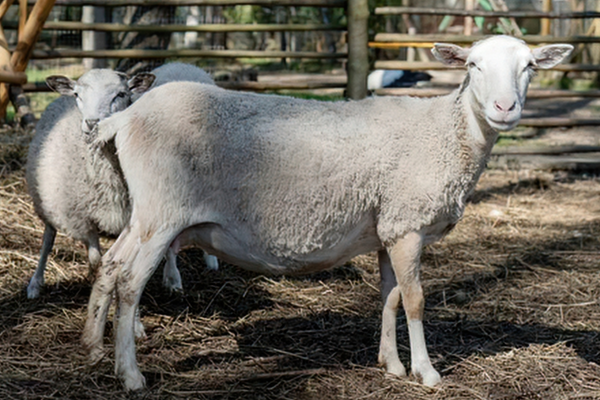
In the old days, we bought sheep because they looked "sturdy" at the auction. In 2026, we have better tools. When you are looking for a new ram or ewe lambs for your homestead, don't be afraid to ask the breeder for the data.
Ask for FEC Scores: Has the breeder tested for Faecal Egg Counts? You want sheep from lines that don't need constant deworming.
Ask About "Shedding": If you're buying hair sheep, ensure they shed out completely and cleanly. A sheep stuck with half a winter coat in June is a sheep under heat stress.
The "Mothering" History: On a small farm, you want ewes that lamb unassisted. Ask if the ewe's mother needed help or if she "just got on with it."
Final Thoughts for the Homesteader
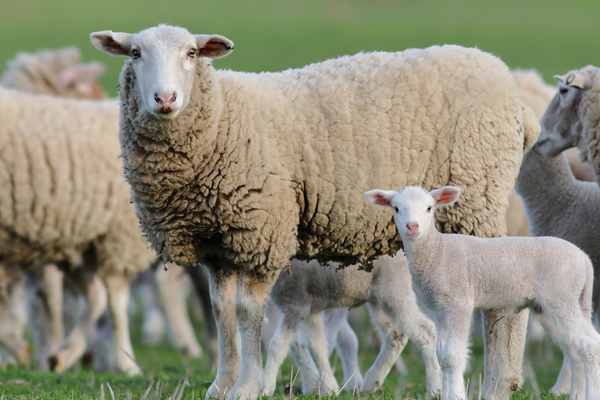
Building a climate-resilient flock is a marathon, not a sprint. You might start with what you have and slowly "breed up" by introducing a high-resilience ram.
Remember: A sheep that looks like a show champion but needs a temperature-controlled barn and monthly vet visits isn't a "homestead" sheep—it’s a liability.
In 2026, the most beautiful sheep in the paddock is the one that’s out grazing in the sun, raising twins, and staying healthy without you having to lift a finger. That’s the true definition of a "modern" flock.
What’s your biggest challenge with the weather lately? Are you seeing more heat stress or more parasites? Let’s talk about it in the comments below.

Emerse Yourself!
Get ready to embark on an unforgettable storytelling journey with The Wanderlust Letters! Our unique concept of sharing stories through personal correspondence between characters is a new way to experience powerful tales of love, intrigue, and adventure.

We are passionate about bringing the love of reading, romance and adventure to everyone. Thank you for choosing us for your reading pleasure.
Quick links
Services
© White Paper. 2026. All Rights Reserved.