
Blog
Floral Inspirations – Expert Tips and Ideas
Welcome to our blog, where we share the latest floral trends, expert tips, DIY ideas, and inspiration for every occasion. Whether you're looking to brighten your home, plan an event, or learn more about flower care, our posts are filled with creative ideas and helpful advice to guide you every step of the way. Stay tuned for exciting updates and fresh floral ideas!

Elegance.
Serenity. Tranquility. Rejuvenation.
Beyond the Cuteness: A Proactive Guide to Saving 3-6 Week Old Bottle Lambs and Kids
The Truth About Preventable Death in 3-6 Week Old Lambs
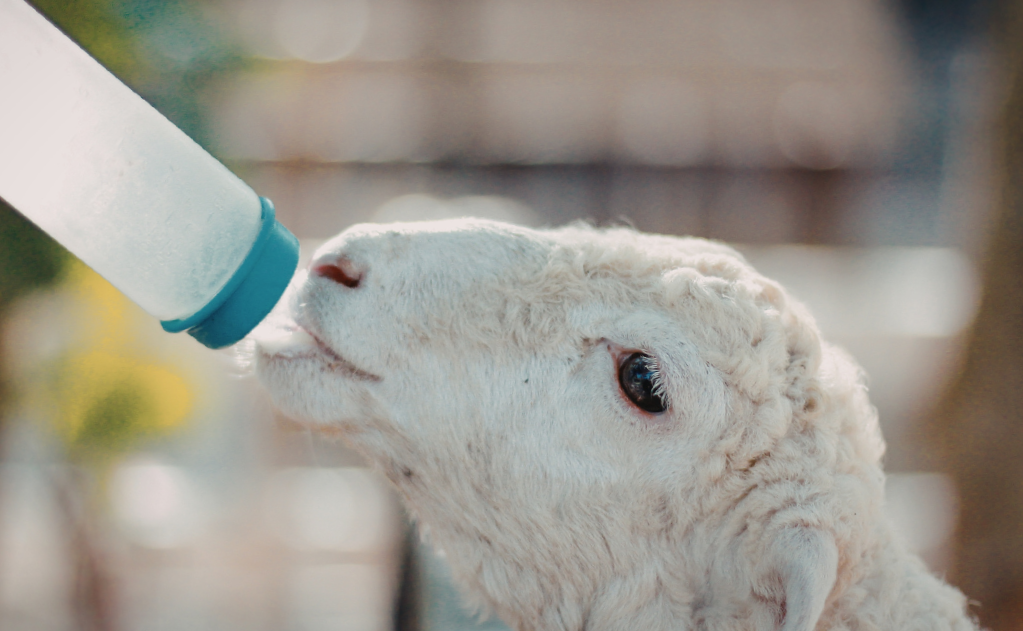
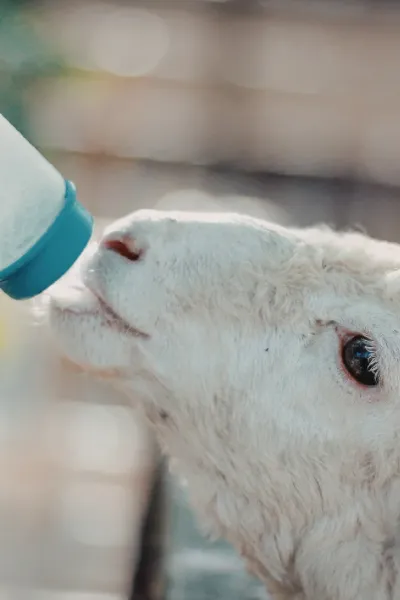
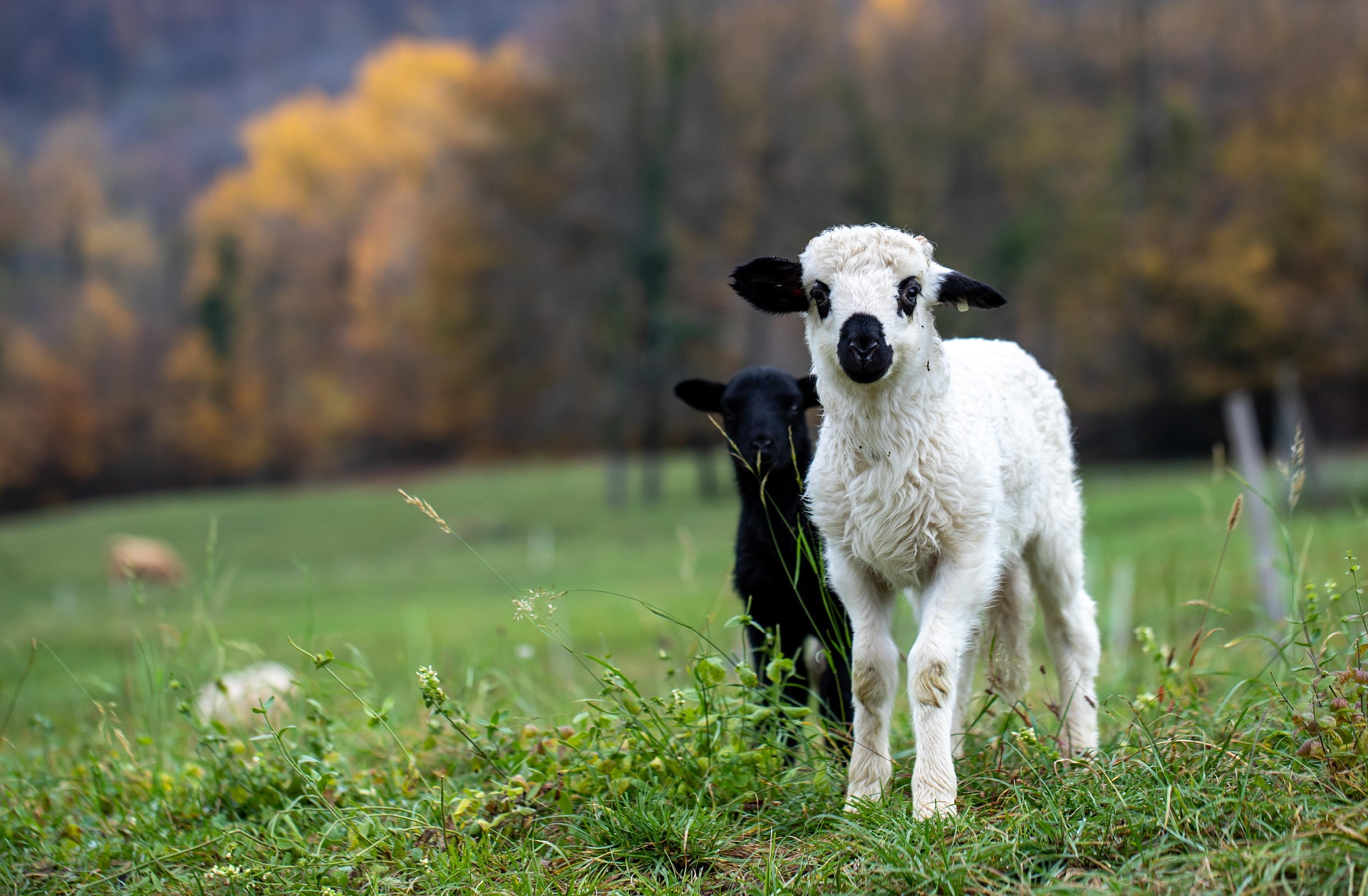
Right now, social media is flooded with images of adorable, wobbling bottle lambs and goat kids wearing sweaters. It is easy to get stuck on how cute they are. But anyone who has raised an orphan knows the sobering truth: hand-rearing small ruminants is brutal, heartbreaking work.
You might feel like you’re out of the woods once they hit the three-week mark. They are active, they know the bottle, and they seem strong. However, this is precisely when many common, devastating, and entirely preventable conditions begin to manifest.
If you are raising bottle babies, you cannot afford to be passive. Waiting for symptoms to appear is often a death sentence. To get your lambs and kids to weaning, you must adopt a mindset of proactive treatment.
Here is a breakdown of the leading causes of death in bottle lambs and kids aged 3 to 6 weeks (and older), and what you must do before it’s too late.
1. The Slow Killer: Joint Ill (Infectious Arthritis)
You might have heard of "navel ill" in newborns. Joint ill is often the same infection that has traveled through the bloodstream and settled into the joints. While the infection usually enters in the first week of life, symptoms—lameness, heat, and swelling—frequently don’t appear until the lamb is 3 to 6 weeks old.
By the time you see your lamb hobbling or reluctant to stand, the bacteria have already begun destroying the joint cartilage.
The Proactive Strategy:
The First Hour is Critical: The only way to truly prevent joint ill is a standard of care within minutes of birth: dipping the entire navel cord in 7% strong iodine or a chlorhexidine solution. If you receive a rescue lamb and don't know if its navel was dipped, treat it as if it wasn't.
Hygiene is Non-Negotiable: The bacteria that cause joint ill (often Streptococcus or E. coli) thrive in wet, dirty bedding. Keep your rearing pens scrupulously clean and dry.
Watch the Gait Daily: When you feed, don't just look at the mouth. Watch them walk. Any stiffness, "oily" movement, or slight favoring of a leg must be investigated immediately. Feel the joints (knees and hocks) for heat or fluid.
Proactive Treatment: If you suspect joint ill, call your vet immediately. Success depends on early, aggressive, and long-term antibiotic therapy (often 10+ days) combined with anti-inflammatories to reduce joint damage. Short courses of antibiotics will fail.
2. The Dirty Enemy: E. coli Infection (Scours and Septicaemia)
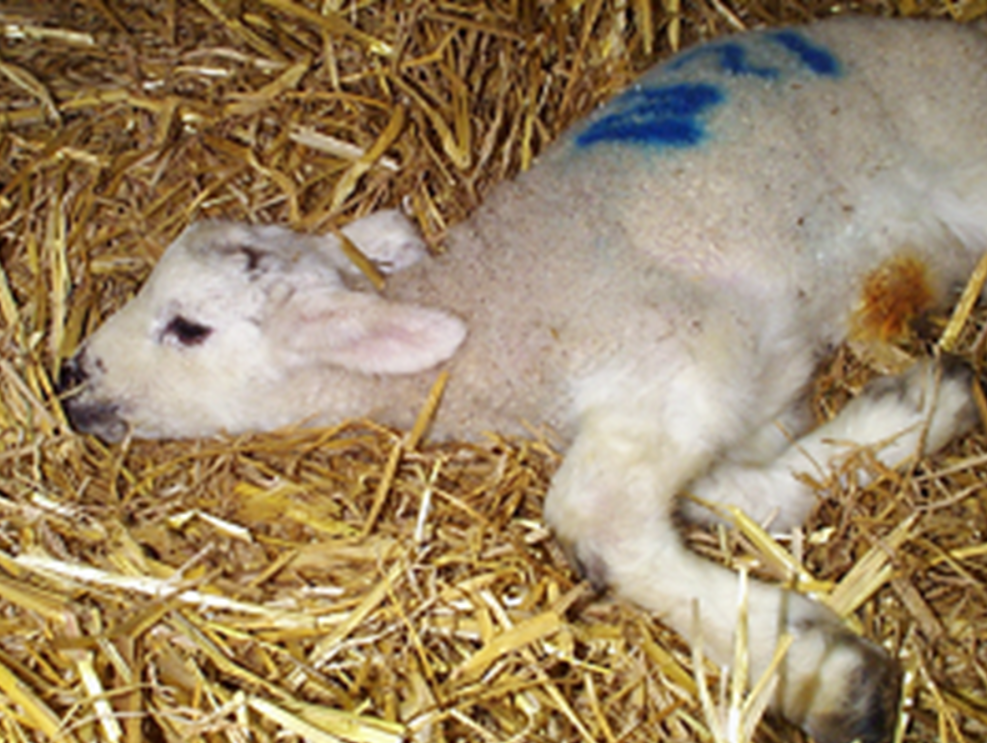
While E. coli is a major cause of "watery mouth" in newborns, it remains a serious threat to older bottle babies, primarily through contaminated feeding equipment or dirty environments. In 3-6 week olds, it often presents as severe, watery scours (diarrhea), which quickly leads to dehydration, toxemia, and death.
The Proactive Strategy:
Sterilize Everything: "Rinsing" a bottle is not enough. Bacterial biofilm builds up inside bottles and on teats. All feeding equipment must be washed in hot, soapy water, rinsed, and sterilized (using boiling water or a milton solution) between every single feed.
Consistent Feeding: Sudden changes in milk temperature, concentration, or volume can upset the gut, giving E. coli a foothold. Be precise. Use a scale to measure powder and a thermometer to check temperature.
Identify and Isolate: At the first sign of paste-like or watery scours, isolate the animal.
Proactive Treatment: The number one killer is dehydration, not the bacteria. Stop milk for 12-24 hours and replace with a high-quality oral electrolyte solution to restore fluid balance. Do not delay. If the animal is too weak to suckle, they must be tube-fed or given IV fluids by a vet. Consult your vet regarding the appropriate antibiotic; many E. coli strains are now resistant to common treatments.
3. The Sudden Assassin: Abomasal Bloat
This is one of the most common and frustrating causes of death in bottle-fed animals between 2 and 8 weeks of age. A lamb can seem perfectly healthy, drink a full bottle, and be dead 30 minutes later, its left side distended like a balloon. It is caused by excess milk in the abomasum (true stomach) allowing gas-producing bacteria to proliferate wildly.
The Proactive Strategy:
Little and Often: A greedy lamb will gorge themselves if given the chance. Feed smaller volumes more frequently. Never let them "drink until they are full."
Watch the Temp: Milk that is too warm encourages rapid gulping. Feed milk at a consistent, cooler temperature (room temperature or slightly above), which slows down feeding.
The Yoghurt Method: Many experienced shepherds proactively yoghurtise their milk replacer. By adding live yoghurt culture to the milk 24 hours before feeding, the bacteria consume the lactose that dangerous bloat-causing bacteria need to survive. This single proactive step can drastically reduce bloat mortality.
4. The Time Bomb: Clostridial Diseases (Pulpy Kidney and Tetanus)
These diseases are caused by soil-borne bacteria that are likely already present in your lamb’s gut. Pulpy Kidney (Overeating Disease) is triggered when a healthy, fast-growing lamb experiences a sudden change in diet (like starting creep feed or getting a double bottle), causing the bacteria to multiply and release devastating toxins. Tetanus enters through wounds, often caused by docking or castration. Past 3 weeks of age, your lamb is at extreme risk.
The Proactive Strategy:
Vaccination is the Only Shield: Lambs have zero protection unless you provide it.
If the dam was vaccinated: Start your lamb's initial vaccination course (5-in-1 or CD&T) at 4 to 6 weeks of age, with a booster 4 weeks later.
If the dam's status is unknown: You must consult your vet. They may recommend giving the lamb a tetanus anti-toxin at birth for immediate cover, and starting the 5-in-1 course earlier (e.g., at 2-3 weeks).
Dietary Consistency: Introduce any new feed (hay, grain) incredibly slowly. Do not allow gorge feeding.
Aseptic Technique: If you must dock tails or castrate, use sterile rings or tools, and apply an antiseptic spray.
A Final Word on Proactive Parenting
Raising bottle lambs and kids is a commitment to hyper-vigilance. The goal isn't just to keep them alive; it’s to give them the foundation of health they missed by not being reared by their mother.
A dead lamb is a heartbreaking result, but it is even more tragic when that death could have been prevented by a bottle that was slightly cleaner, a diet that was more consistent, or a vaccine that was given on time. Be the proactive force that gets your "cute" little wether or doeling all the way to weaning. Build a relationship with a local livestock vet—they are your most important ally.
Don't wait for them to get sick. Treat them like their life depends on your prevention—because it does.


Emerse Yourself!
Get ready to embark on an unforgettable storytelling journey with The Wanderlust Letters! Our unique concept of sharing stories through personal correspondence between characters is a new way to experience powerful tales of love, intrigue, and adventure.

We are passionate about bringing the love of reading, romance and adventure to everyone. Thank you for choosing us for your reading pleasure.
Quick links
Services
© White Paper. 2026. All Rights Reserved.