
Blog
Floral Inspirations – Expert Tips and Ideas
Welcome to our blog, where we share the latest floral trends, expert tips, DIY ideas, and inspiration for every occasion. Whether you're looking to brighten your home, plan an event, or learn more about flower care, our posts are filled with creative ideas and helpful advice to guide you every step of the way. Stay tuned for exciting updates and fresh floral ideas!

Elegance.
Serenity. Tranquility. Rejuvenation.
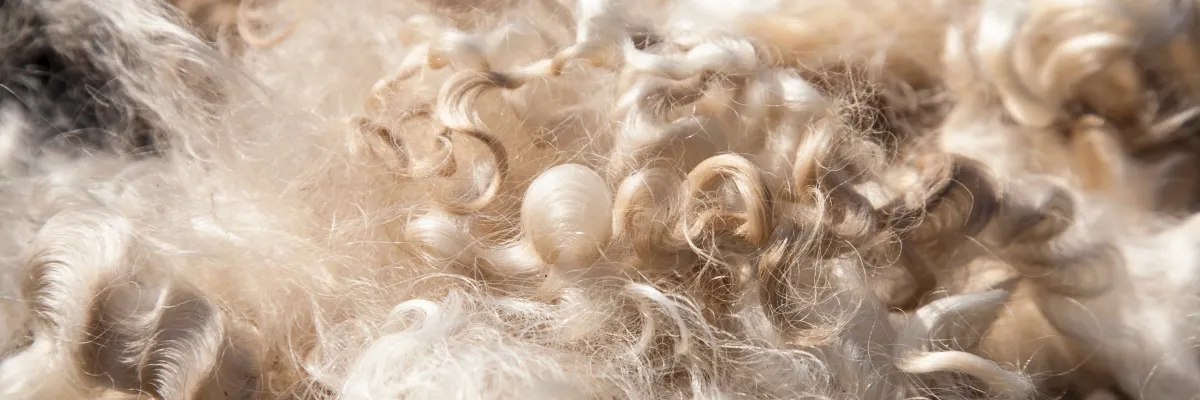
The Homesteader’s Guide to Fiber, Handspinning, & Heritage Wool
Welcome to Part 2 of our homestead breed selection series! In [Part 1], we talked about raising sheep for meat and low-maintenance hair breeds. But if your heart races at the sight of raw fleece, natural sheep colors, or handspun yarn, this post is for you.
For fiber-loving homesteaders, a sheep is so much more than livestock—it’s a living sweater factory. But just like meat breeds, not all wool is created equal. A fleece that makes a cloud-soft next-to-skin sweater will fall apart as a rug, and a rugged carpet wool will feel like sandpaper around your neck.
Today, we’re breaking down the best fiber breeds for homesteaders—from delicate fine wools to ancient heritage sheep that produce high-value specialty fleeces.
Understanding Wool: Fiber Basics for Homesteaders
Before picking a breed, it helps to understand microns (the measurement of individual fiber diameter). The lower the micron number, the softer the wool!
Fine Wool (Under 22 microns): Ultra-soft, best for next-to-skin clothing (sweaters, scarves, baby items).
Medium Wool (22–31 microns): The ultimate homestead all-rounder. Durable, bouncy, and great for socks, mittens, and outerwear.
Longwool / Coarse (31+ microns): Strong, shiny, and lustrous. Best for outerwear, rugs, felting, and specialty craft markets.
1. Ancient Heritage & Fine Fiber Stars: The Artisan’s Dream
If your main goal is selling raw fleeces to handspinners or crafting exquisite yarn yourself, these smaller heritage breeds pack a huge punch.
The Shetland
Origin: Shetland Isles, Scotland (Ancient Northern European Short-Tailed lineage)
Fleece Type: Fine to medium wool (20–25 microns), lightweight, and remarkably soft
Best For: Handspinners, small-acreage homesteads, and natural color variety
Why Consider Them: Shetlands are ideal homestead sheep. They are compact, thriftily convert rough pasture, and come in 11 recognized natural colors and over 30 markings. A single Shetland flock can give you a complete palette of natural creams, moorits (red-browns), grays, and blacks without ever touching dye.
The Cormo or Merino Crosses
Origin: Tasmania / Australia
Fleece Type: Ultra-fine wool (18–23 microns)
Best For: Next-to-skin luxury garments and high-end fleece sales
Why Consider Them: While purebred Merinos can be high-maintenance for small homesteads, Cormos (a cross of Superfine Saxon Merino and Corriedale) give you that buttery, cloud-like softness while being significantly heartier on pasture.
2. Dual-Purpose Homestead Classics: Wool + Meat
If you want a fleece that’s easy to process and a respectable carcass yield for the freezer, dual-purpose breeds hit the sweet spot.
Heritage Fiber Lineage:
[Lincoln Longwool] ── Crossed with [Merino] ──> [Corriedale]
[Old English Breeds] ── Selected for fleece ──> [Romney]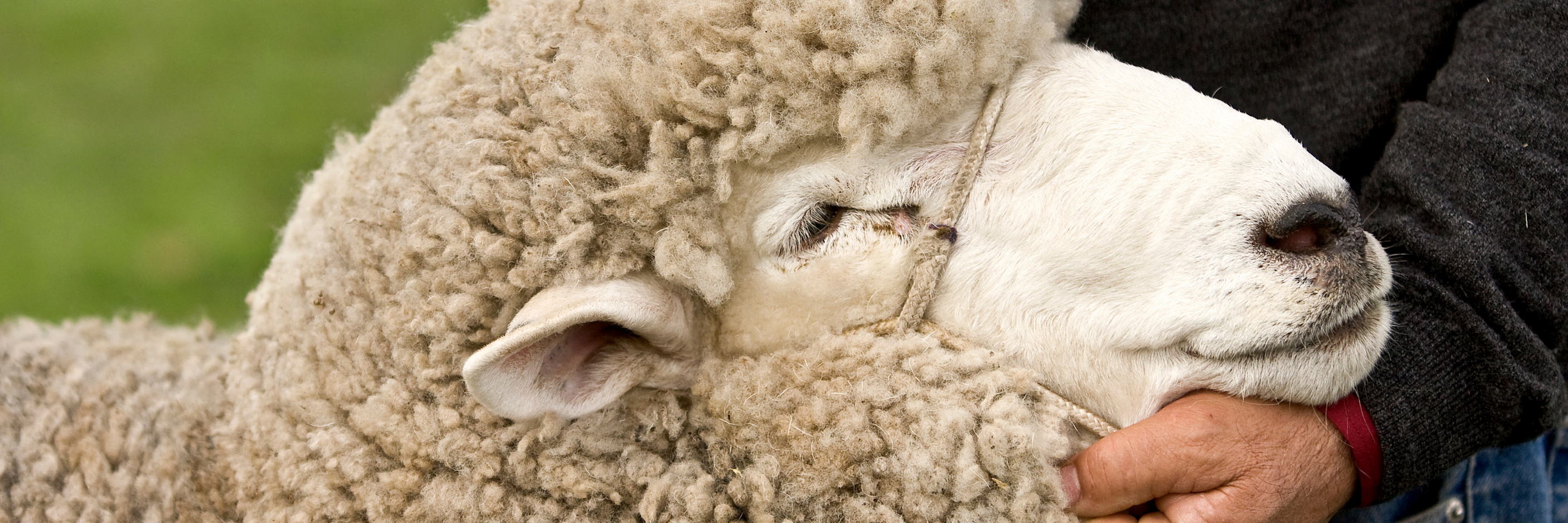
The Corriedale
Origin: New Zealand / Australia (Late 1800s)
Fleece Type: Medium wool with deep, defined crimp (25–30 microns)
Best For: Easy handspinning, beginner-friendly fleece, and solid meat production
Why Consider Them: Corriedales produce heavy, abundant fleeces with a consistent crimp that makes handspinning a dream. They are calm, docile, and yield heavy lambs, making them one of the most balanced homestead breeds in existence.
The Romney
Origin: Romney Marsh, Kent, England
Fleece Type: Semi-lustrous medium-to-long wool (28–32 microns)
Best For: Wet pastures, foot-rot resistance, durable yarns
Why Consider Them: Originating in low-lying British marshes, Romneys developed an uncanny immunity to foot rot and internal parasites. Their wool has a gorgeous luster and is strong enough for long-lasting sweaters, blankets, and outerwear.
3. Rare & Specialty Fleece Breeds: High-Value & Heritage Charm
If you want your flock to stand out and tap into niche fiber markets, consider rare heritage longwools or iconic European breeds.
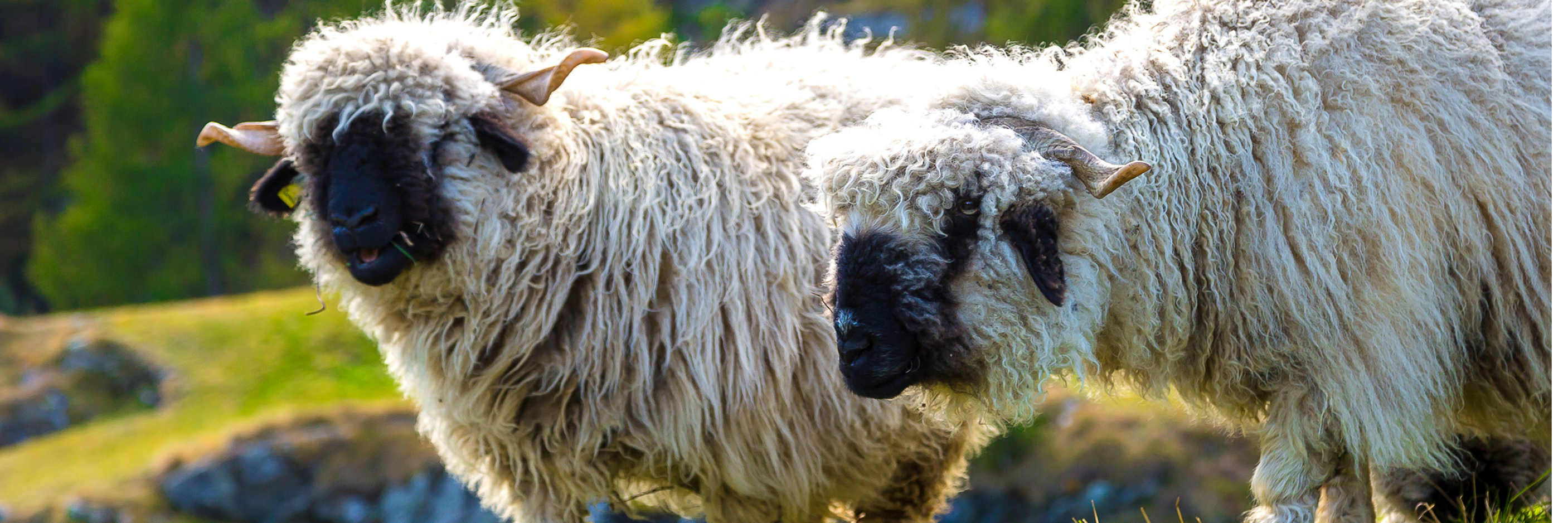
The Valais Blacknose
Origin: Valais region, Switzerland
Fleece Type: Coarse, long, helical lock wool (28–38 microns)
Best For: Felting, rug making, lock-spinning, and high-value breeding stock
Why Consider Them: Dubbed "the world's cutest sheep," Valais Blacknoses are famous for their spiraled horns, black faces, and dense, shaggy coats that grow rapidly. Their wool is coarse, but handspinners and felters pay a premium for washed locks and unique specialty fleeces.
The Leicester Longwool or Cotswold
Origin: England (Historical heritage longwools)
Fleece Type: Lustrous, curly ringlets with high shine
Best For: Tapestry yarn, doll hair, felting, and rare-breed conservation
Why Consider Them: Historically championed by Robert Bakewell in the 1700s, these giant, gentle sheep produce long, gleaming locks that shine almost like mohair. Raising them directly supports rare-breed conservation.
Quick Comparison: Finding Your Fiber Match
Homestead GoalTop Recommended BreedMicron / Fleece StyleLuxury Next-To-Skin YarnShetland or CormoFine (18–24µ); ultra-soft & lightweight.Best All-Rounder (Fiber + Meat)Corriedale or RomneyMedium (25–30µ); bouncy, easy to spin.Wet Pastures & Hardy HoovesRomneyMedium/Long; rot-resistant, durable wool.Specialty Felting & Unique LocksValais Blacknose or CotswoldLongwool/Coarse (30µ+); high luster & curl.
What’s Coming Next in the Series?
Fiber and meat are huge, but what if you want fresh milk, cheese, or pelt production? Stay tuned for Part 3: Dairy & Dual-Purpose Breeds for Homestead Self-Sufficiency!
Join the Meadowrock Farms Community!
Want to turn raw fleece into beautiful handspun creations or find the right sheep for your land? Subscribe to our weekly newsletter below to get homesteading guides, breeding tips, and farm updates sent right to your inbox.

Emerse Yourself!
Get ready to embark on an unforgettable storytelling journey with The Wanderlust Letters! Our unique concept of sharing stories through personal correspondence between characters is a new way to experience powerful tales of love, intrigue, and adventure.

We are passionate about bringing the love of reading, romance and adventure to everyone. Thank you for choosing us for your reading pleasure.
Quick links
Services
© White Paper. 2026. All Rights Reserved.